
UndaPot Fan Club
Every Beignet Has a Story
Did you grow up eating a version of Beignet? Is it known by another name where you come from? Was it part of family gatherings, street food, celebrations, or a journey somewhere new? We would love to hear your story.
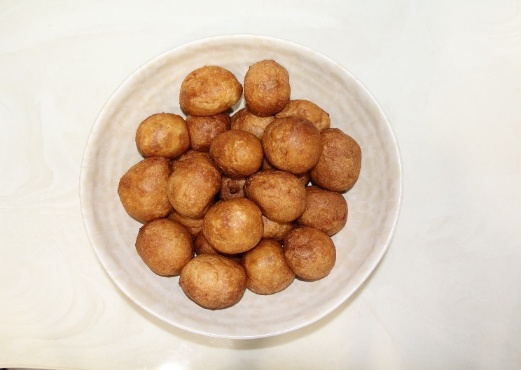
Join the table
Join Our Fan Club and Engage With Other Foodies
- Did you grow up eating a version of Beignet?
- When did you first learn about this delicious dough mix?
- Is it indigenous to your people, or a dish you experienced during travel?
We would love to read from you. Share your stories and any pictures of the version you have.
Beignet described
What Goes Into a Beignet
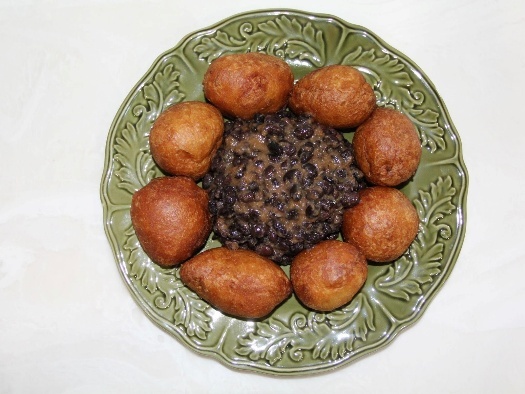
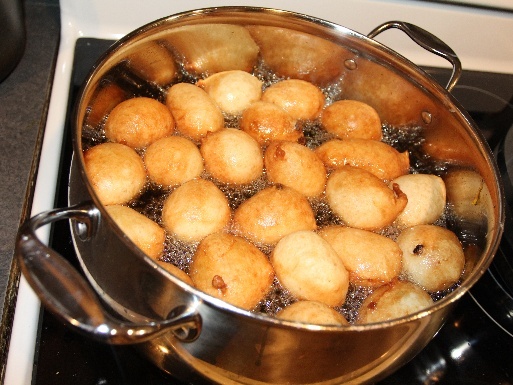
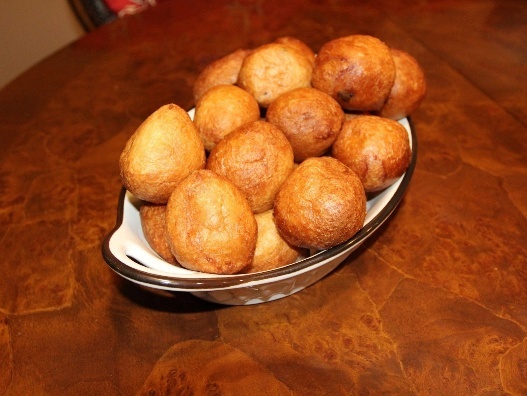
The basic mixture includes ingredients such as flour, sugar, salt and yeast. The dough is fried into soft, spongy Beignet balls.
Variations may contain ingredients such as butter, chocolate, raisins, nutmeg, vanilla, lemon or banana. Finished Beignet may be covered with sugar or chocolate, or paired with jam or jelly.
It is best enjoyed shortly after preparation. Freezing, then reheating using an oven or air fryer, are the storage and reheating approaches UndaPot prefers.
Description supplied by UndaPot. It describes how we prepare and enjoy Beignet, and is not intended as nutritional or food-safety guidance.
Origins
Where Does Beignet Come From?
This is UndaPot's exploration of the cultural stories and historical accounts that surround Beignet. Where accounts compete or remain uncertain, we have kept that uncertainty rather than settling it.
European accounts often trace fried dough to early continental kitchens, with Dutch oliebollen and French beignets among the best-documented forms. French colonial movement carried the name “beignet” far beyond France, most famously to New Orleans.
African culinary history tells its own story. Fried dough has long been prepared across West, Central, East and Southern Africa, under many names and in many households, often as street food and always as a food of gathering. Whether these traditions grew from contact, from parallel invention, or from both, is not something a single account can settle.
Much of what is known travels by oral history — from grandmothers, market stalls and family kitchens rather than written record. That makes the food's path harder to map and, we think, more interesting to trace.
What is clear is cultural transmission: recipes moved with people, adapted to local ingredients, and took on new names, shapes and occasions wherever they landed.
If your family carries a version of this story, add it to the Fan Club and help us document it properly.
How it is enjoyed
One Food, Many Moments
Breakfast, lunch, dinner, or the reason a gathering runs long.
- Breakfast
- A warm start to the morning, often with tea or coffee.
- Lunch
- A quick, satisfying midday bite between meetings.
- Dinner
- Served alongside sides for an evening meal.
- Street food
- Bought hot from the stall and eaten as you walk.
- With tea or coffee
- A natural companion to a hot drink.
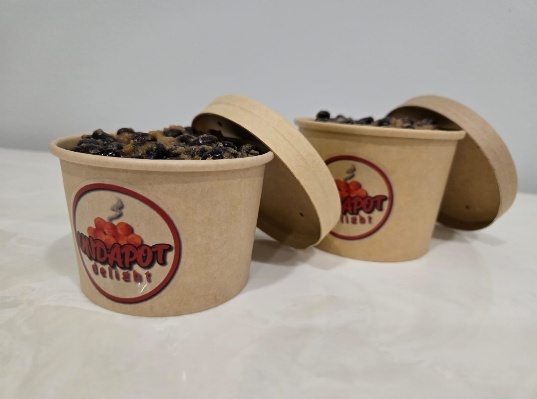
- With Haricot
- A classic pairing of Beignet with well-cooked beans.
- With Pepper Sauce
- For those who like a little heat with the sweetness.
- Gatherings & festivities
- Shared in trays at celebrations and meetings.
Around the world
Beignet Around the World
The same idea, reimagined in kitchens across continents. This list is drawn from information supplied by UndaPot and the Fan Club community.
Netherlands
Europe
- Local name
- Oliebollen / Oaljekoek
- Shape
- Round
France
Europe
- Local name
- Beignet
- Shape
- Round / square
USA (New Orleans)
North America
- Local name
- Beignet
- Shape
- Square
Kazakhstan
Central Asia
- Local name
- Baursak
- Shape
- Round / diamond
Mongolia
East Asia
- Local name
- Boortsog / Baursaki
- Shape
- Twisted / diamond
Colombia
South America
- Local name
- Buñuelo
- Shape
- Round
India
South Asia
- Local name
- Gulgule / Malpua / Gulab
- Shape
- Round / flat
Brazil
South America
- Local name
- Bolinho de Chuva
- Shape
- Round
Saudi Arabia
Middle East
- Local name
- Luqaimat
- Shape
- Round
United Arab Emirates
Middle East
- Local name
- Luqaimat
- Shape
- Round
Around Africa
Beignet Around Africa
Across the continent, the same fried dough carries a different name in almost every kitchen.
Angola
Southern Africa
- Local name
- Micate / Bolinho
- Shape
- Round
Cameroon
Central Africa
- Local name
- Beignet / Puff-Puff
- Shape
- Round
Congo
Central Africa
- Local name
- Mikate
- Shape
- Round
Ghana
West Africa
- Local name
- Togbei / Bofrot / Buffloaf / Boflot
- Shape
- Round
Côte d’Ivoire
West Africa
- Local name
- Bofloto
- Shape
- Round
Liberia
West Africa
- Local name
- Pepper Kala
- Shape
- Round
Nigeria
West Africa
- Local name
- Puff-puff
- Shape
- Round
Sierra Leone
West Africa
- Local name
- Puff-puff
- Shape
- Round
South Africa
Southern Africa
- Local name
- Vetkoek / Amagwinya / Magwinya
- Shape
- Round / flattened
Sudan
North-East Africa
- Local name
- Legemat
- Shape
- Round
Zimbabwe
Southern Africa
- Local name
- Vetkoek / Amagwinya / Magwinya
- Shape
- Round / flattened
Kenya
East Africa
- Local name
- Mandazi
- Shape
- Triangular
Malawi
East Africa
- Local name
- Maandazi
- Shape
- Triangular
Uganda
East Africa
- Local name
- Mandazi / Zalabiyeh
- Shape
- Triangular / round
Ethiopia
East Africa
- Local name
- Zalabia / Lugaimat
- Shape
- Round
Tanzania
East Africa
- Local name
- Mandazi
- Shape
- Triangular
Eritrea
East Africa
- Local name
- Makleel / Meklil / Ligemat
- Shape
- Round
Contribute
Add Your Story to the Table
No account needed. Every submission is reviewed by our team before it appears on the Fan Club.
From the community
Stories From Around the World
The first stories are on their way.
Share yours and help us tell the story of Beignet around the world.